

Biometric Access Control Systems: Fingerprint, Facial & Retina Explained
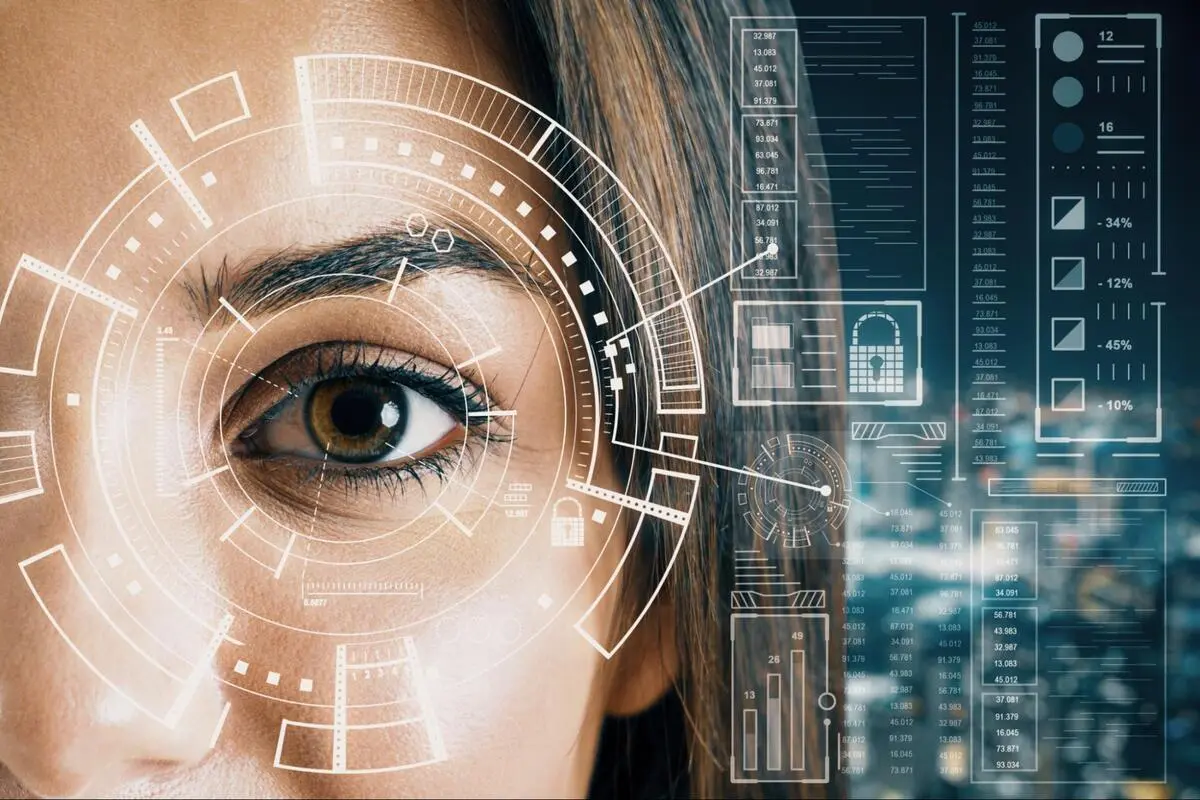

Facial recognition and retina scanning are some examples of touchless technologies installed in offices and commercial premises. Such systems enable organisations to enjoy security as well as convenience in settings where a large number of people are involved. Biometric technologies can be used to support transparent and responsible access management when correctly integrated.
Biometric Access Control in Contemporary Security
Biometric security systems recognise individuals based on physical features they possess. These attributes are examined by biometric access control to verify identity, and then access is granted. Biometric traits are difficult to duplicate and transfer among users as compared to keys and access cards. This renders the technology applicable in surroundings where there is a requirement for dependable identity verification.
Biometric technologies are commonly combined with a smart access control system to enable administrators to manage permissions with a centralised platform. The system contains encrypted biometric templates and compares the templates whenever a request to enter is received. In case the stored template is identical to the biometric input of the user, the door opens. This will assist in the proper identification and, at the same time, maintain effective management of access to the building.
Facial Recognition Access System in Everyday Use
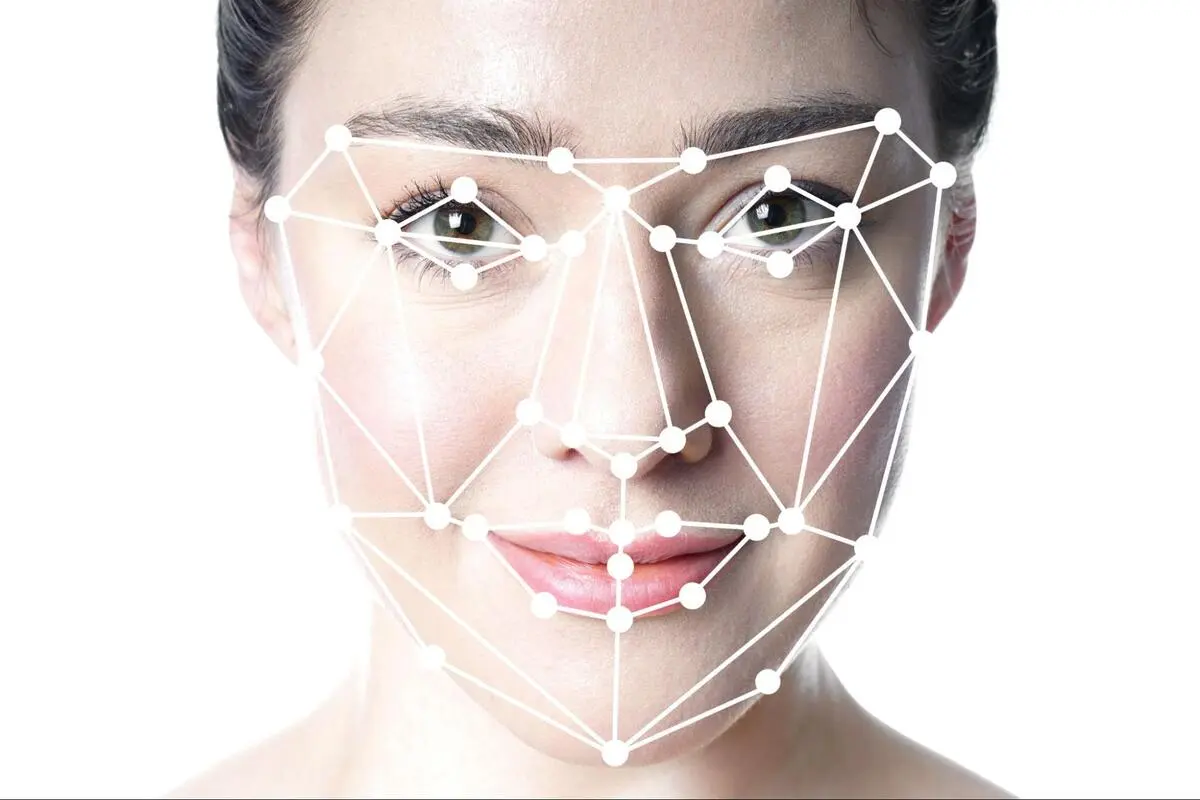
A facial recognition access system checks the identity of a person by scanning a facial pattern using digital photography. The face is photographed using cameras, and essential features are translated into a mathematical model. Eye spacing, nose form, and jaw position are some of the measurements that make up a specific biometric template. At entry, the system cross-checks the image of the person with those of the stored templates to identify the person. Since the process is non-contact, it allows managing access to the workplaces in a hygienic way. A facial recognition access control system installation in most organisations at the office doors, lobby area of residential buildings, and at shared workplaces. The administrators can regulate the users’ permissions when linked to a smart access control system without hindering free movement across the access points.
Retina Recognition in Highly Secure Surroundings
Another type of biometric access control is retina verification, which is applied in a situation that involves strong identity verification. A pattern of blood vessels is found in the retina, which is in the back of the human eye. These patterns are very exclusive and consistent throughout the life of a person.
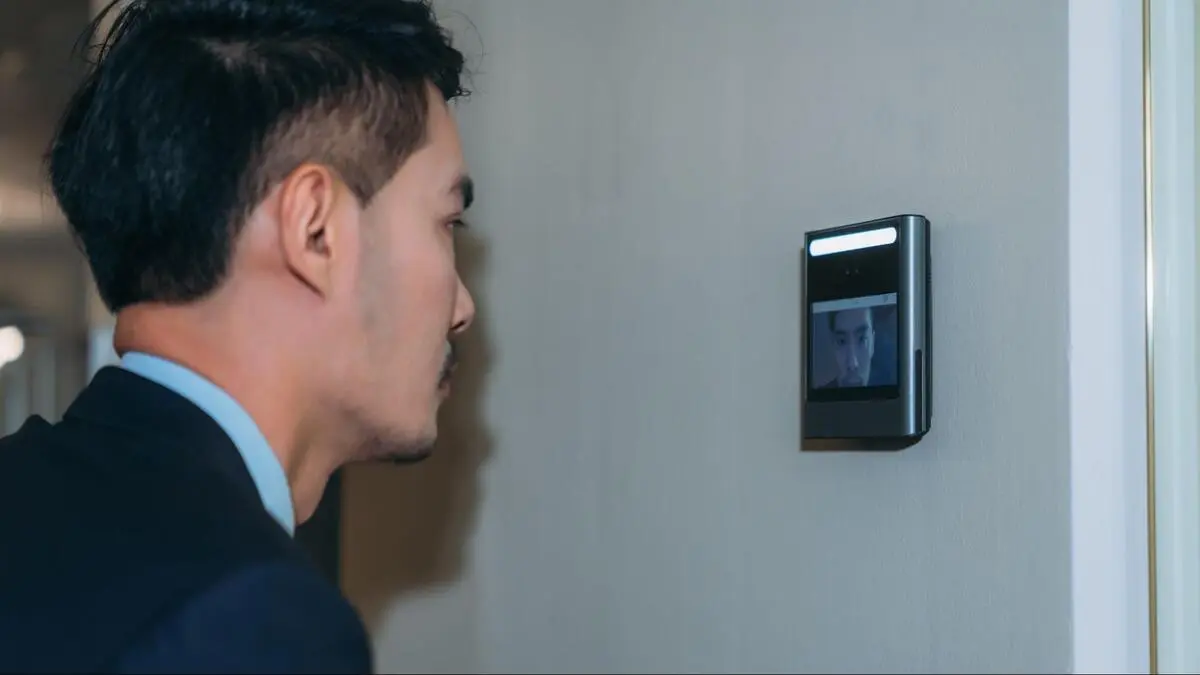

In the process of authentication, the retina is scanned with infrared light, and the pattern is turned into a digital template. This template is then compared with stored records by the system as confirmation of identity. They can be used to install retina systems in research laboratories, controlled facilities, and restricted infrastructure areas. Retina verification is an effective form of identification when incorporated into a smart access control system to enable sensitive areas.
Validity Disparities Between Biometric Technologies
Various biometric systems have degrees of accuracy and environmental conditions of operation. A facial recognition access system works well when clear images of persons are taken by cameras in adequate lighting conditions. Retina verification is very reliable, as internal eye patterns are difficult to replicate to identify the individual. The two technologies are all reliable means of biometric access control under the right conditions. The smart access control system is often implemented by using a combination of several verification means in many organisations. This gives the administrators the ability to use various technologies based on the type of security door access control systems that is needed.
Biometric Technology Comparison
| Technology | Precision of Operation | Uses in practice | Operation issues |
|---|---|---|---|
| Facial recognition access system | High | Residential building, office entrances | Needs appropriate lighting |
| Retina recognition | Very high | Research laboratories, limited ones | Requires the right posture |
| Facial-verified biometric door locks | High | Offices and restricted departments | Requires proper camera alignment |
Data Protection and Privacy
Biometric technologies deal with sensitive personal data. Since biometric features are not alterable as passwords, organisations have to be careful with this information. In the case of biometric access control, biometric templates are kept in encrypted databases. Only authorised administrators can access the stored data, which is under the control of the smart access control system.
Such regulatory frameworks as the Personal Data Protection Act in Singapore include the obligation of organisations to disclose the use and collection of biometric data. Transparency and user trust are achieved by having clear policies. Data management is also a good practice that guarantees biometric systems are secure and compliant.
Benefits of Biometric Door Locks in Practice
Biometric security systems also have several operational benefits to organisations that deal with the management of building access. Biometric door locks make verification of identity much easier because they associate the access permission with a particular user. This eliminates the use of access cards, which can be lost or exchanged.
Organisations can ensure security and convenience when a facial recognition access system is used with biometric door locks. A central smart access control system helps administrators to keep track of the entry records.
Key Benefits Include
- Hygienic environments through contactless entry.
- Less chance of unauthorised access by use of shared credentials.
- Detailed accountability of entry and exit.
- Connection with an intelligent access control system to the central management.
- Better door access control with biometric door locks.
Our Support of Biometric Security
At Comnet, we use security solutions that are applicable in contemporary businesses and workplaces. Our systems incorporate biometric access control, biometric door locks, and superior technologies of facial recognition access systems. These solutions are used in a smart access control system to enable administrators to control the entry permissions effectively.
The system feature is contactless verification, which is in line with the increasing interest in touchless building access. Organisations have the ability to track the records of entry and give permission and control various points of access to the same platform.
Conclusion
With biometric technologies, organisations are making changes in the management of building entry. Biometrics like facial recognition and retina verification are systems that can ensure the confirmation of identity without the need to use physical credentials. In combination with a smart access control system, these technologies are useful in assisting organisations to have efficient and secure access management. An integration of biometric access control, facial recognition access systems, and biometric door locks is useful in ensuring the provision of reliable identification in any contemporary workplace.
In case your organisation is willing to enhance access management in buildings, our team can assist in deploying a biometric system that would provide secure and efficient entry control.
Related Articles:

Different Types of Access Control Systems for Doors and Gates
At Comnet, we believe that a safe working environment starts with the proper access control...

Access Control Systems
What is physical security? Physical security has traditionally been viewed as an unsexy and...


Singapore Office (HQ)
| Comnet Systems Pte Ltd | ||
| Address: | Block 1002 Jalan Bukit Merah #07-01/03 Singapore 159456 |
|
| Main: | +(65) 6272 3383 Click to Call | |
| Support: | Tech@Comnet.sg | |
| Enquiry: | Sales@Comnet.sg |
Philippines Office
| Comnet Systems Integration Inc. | ||
| Address: | Unit 6G , CBC Corporate Center, 724 Shaw Blvd, City of Mandaluyong, Second District, NCR, Philippines, 1555 |
|
| Main: | +63 2 85247088 Click to Call | |
| Support: | general@comnet.ph |